Ronda Medical
Orthofix

FLASH™ Navigation System with 7D Technology — Surgical navigation through machine vision (spine and cranial)

A surgical navigation system based on machine vision, with optical registration in visible light — no ionizing radiation. Dedicated modules for spine (open and minimally invasive approaches) and cranial procedures, with full registration in about 20 seconds and FLASH™ Fix re-registration in under 10 seconds.

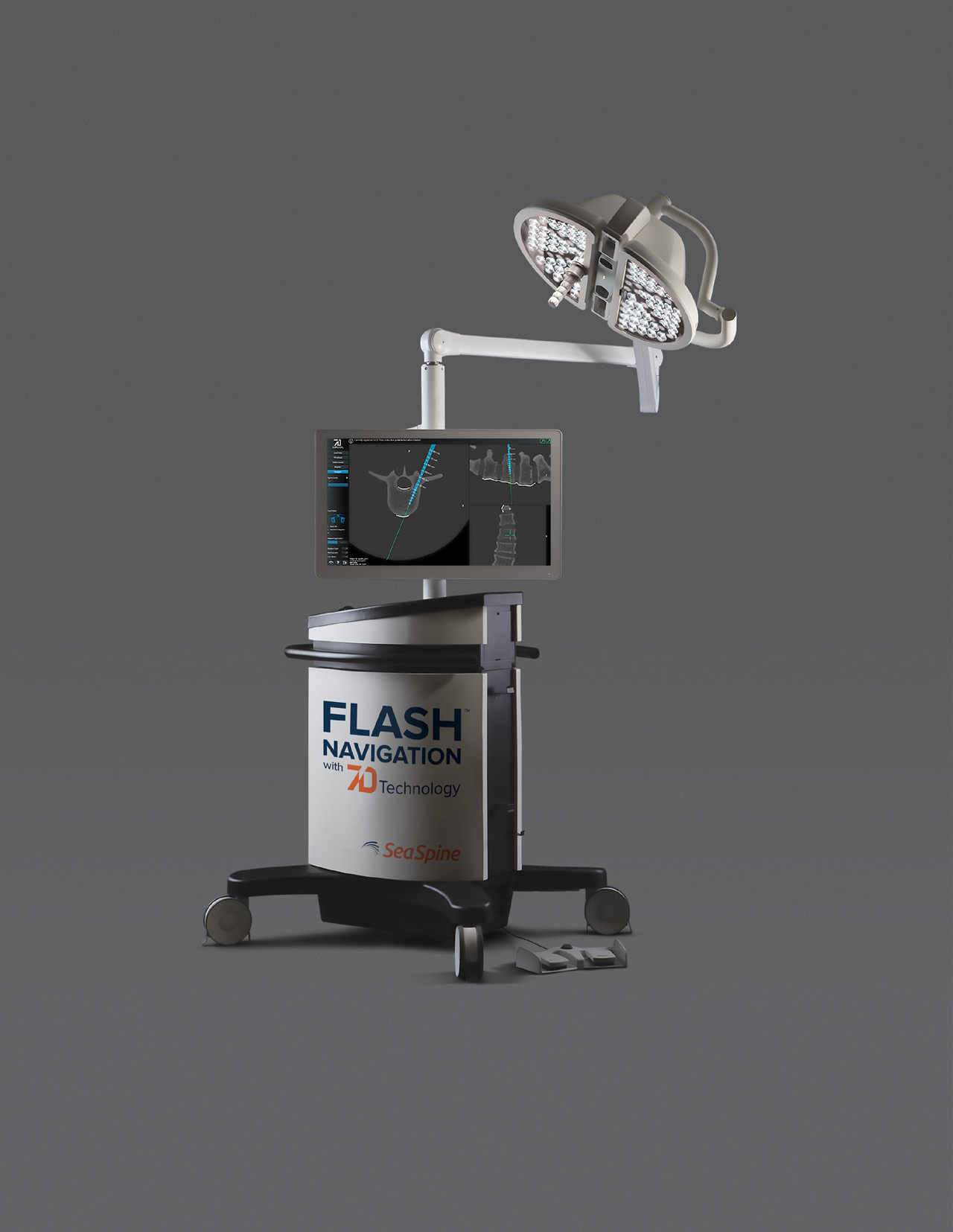
FLASH™ Navigation System with 7D Technology — the mobile platform with integrated light head and navigation monitor (Orthofix/SeaSpine material)
~20 secondsRegistration time
<10 secondsFLASH™ Fix (re-registration)
>250,000Reference points (clinical study)
Zero (visible light)Radiation for registration
Clinical description

FLASH™ Navigation System with 7D Technology is a machine-vision-based surgical navigation platform, originally developed by 7D Surgical Inc. (Toronto, Canada) — a company founded from biophotonics and biomedical engineering research by a team at Sunnybrook Health Sciences Centre and the University of Toronto. The technology was acquired by SeaSpine in 2021, and following the 2023 SeaSpine–Orthofix merger it is now marketed under the Orthofix brand. In Romania, the system is available through the Curexo area of the Ronda Medical portfolio.

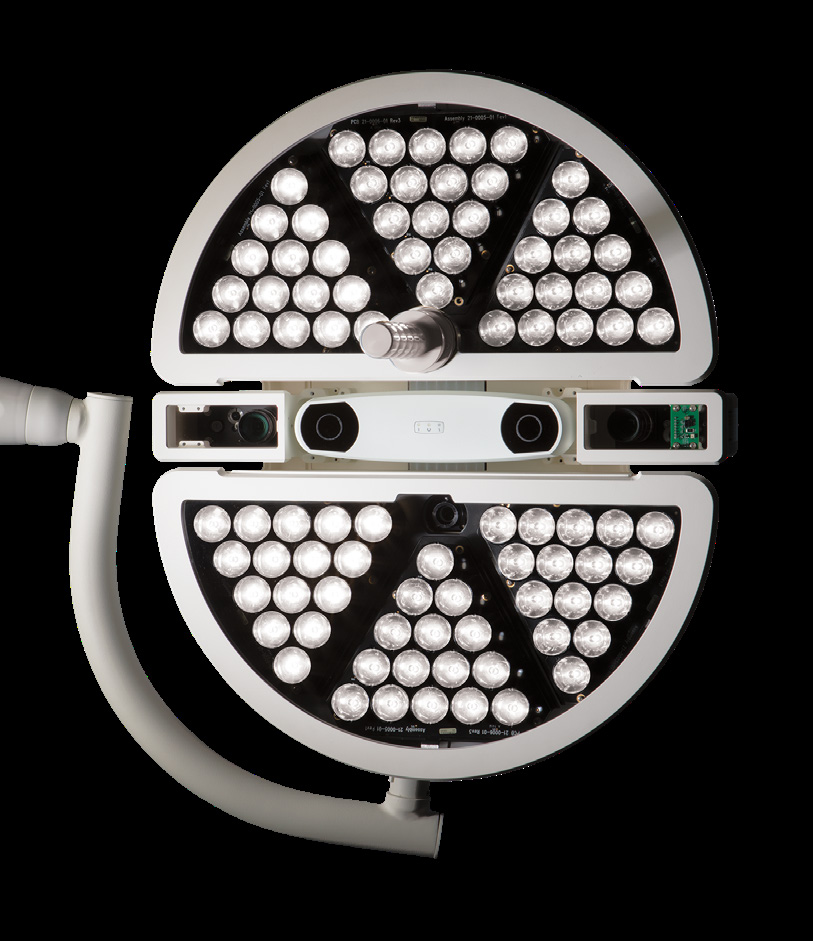
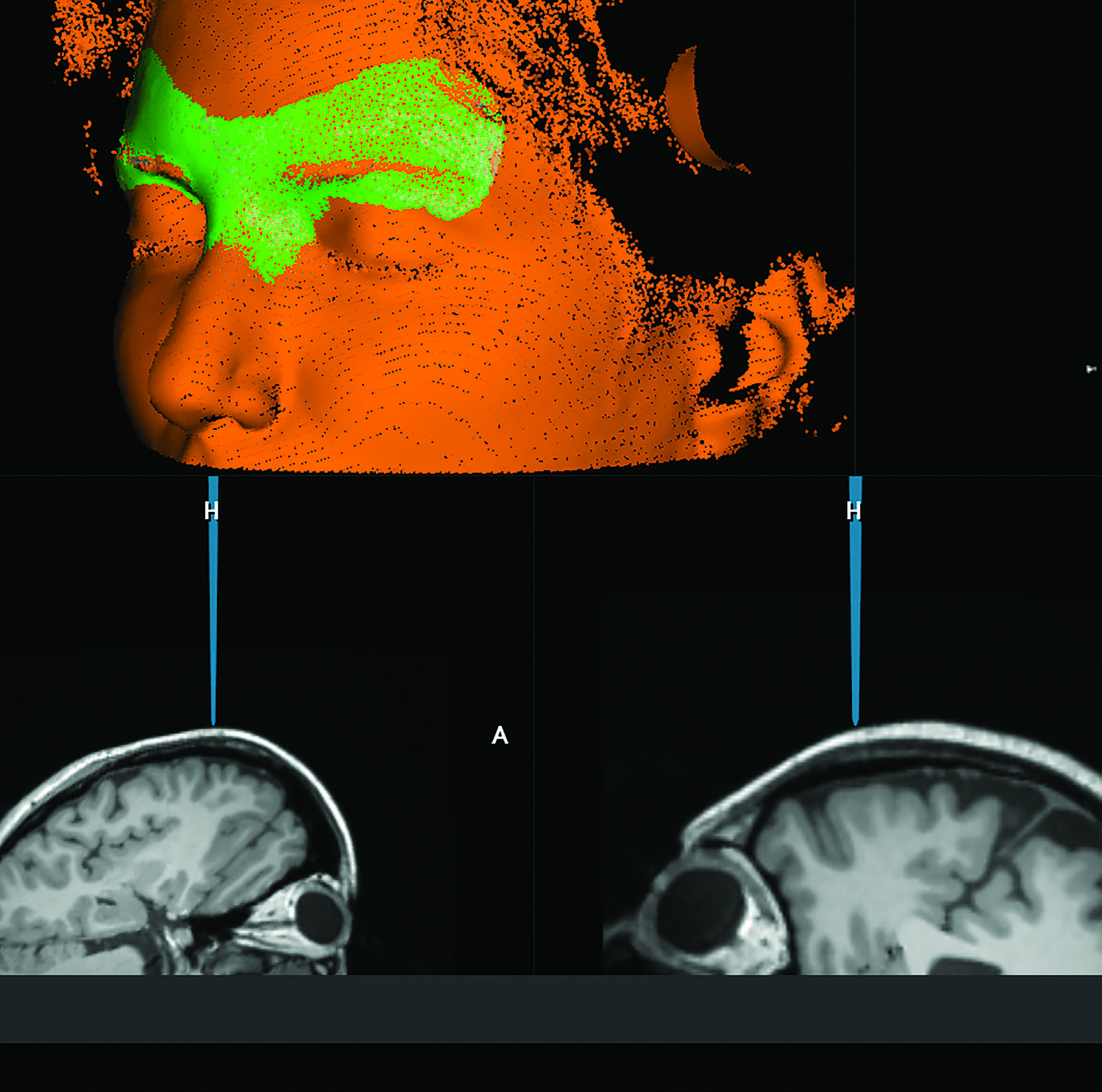
Unlike navigation systems based on fluoroscopy or intraoperative computed tomography (CT), FLASH™ uses exclusively visible light for registration: a surgical light head integrates machine-vision cameras and a FLASH™ projection system, which optically digitizes the exposed anatomical surface — over 250,000 reference points, according to the pivotal clinical study that validated the technology — and automatically registers it, through point-to-point matching, to the preoperative imaging (CT and/or MRI). The complete registration process takes about 20 seconds; if re-registration is needed during the procedure (for example after patient repositioning), the FLASH™ Fix function performs it in under 10 seconds, without additional radiation and without repeating the point-matching step.

The platform includes three software modules: Spine (open approach, with segmental registration per vertebral level and preoperative CT imaging, with no intraoperative radiation), MIS (minimally invasive surgery, with intraoperatively acquired CT imaging), and Cranial (cranial procedures, with preoperative CT and/or MRI imaging, registrable to any cranial region with a rigid anatomical reference, including the posterior fossa). The system is "implant neutral" — compatible, through proprietary integration adapters, with instrumentation and fixation systems from any manufacturer — and is fully controlled by the surgeon from the sterile field, via a foot pedal and a sterile light handle mounted directly on the light head. The platform's accuracy and workflow efficiency are documented by a clinical research program published in peer-reviewed journals, including a prospective randomized study, large clinical series, and a dedicated evaluation in complex pediatric spinal deformities (see the clinical evidence below).

Indications
  • Posterior spinal fixation procedures, open approach — guided pedicle screw placement, at any level where a rigid anatomical reference can be identified (Spine module, preoperative CT imaging, no intraoperative radiation).
  • Minimally invasive spinal procedures (MIS) — navigation with intraoperatively acquired CT imaging (MIS module).
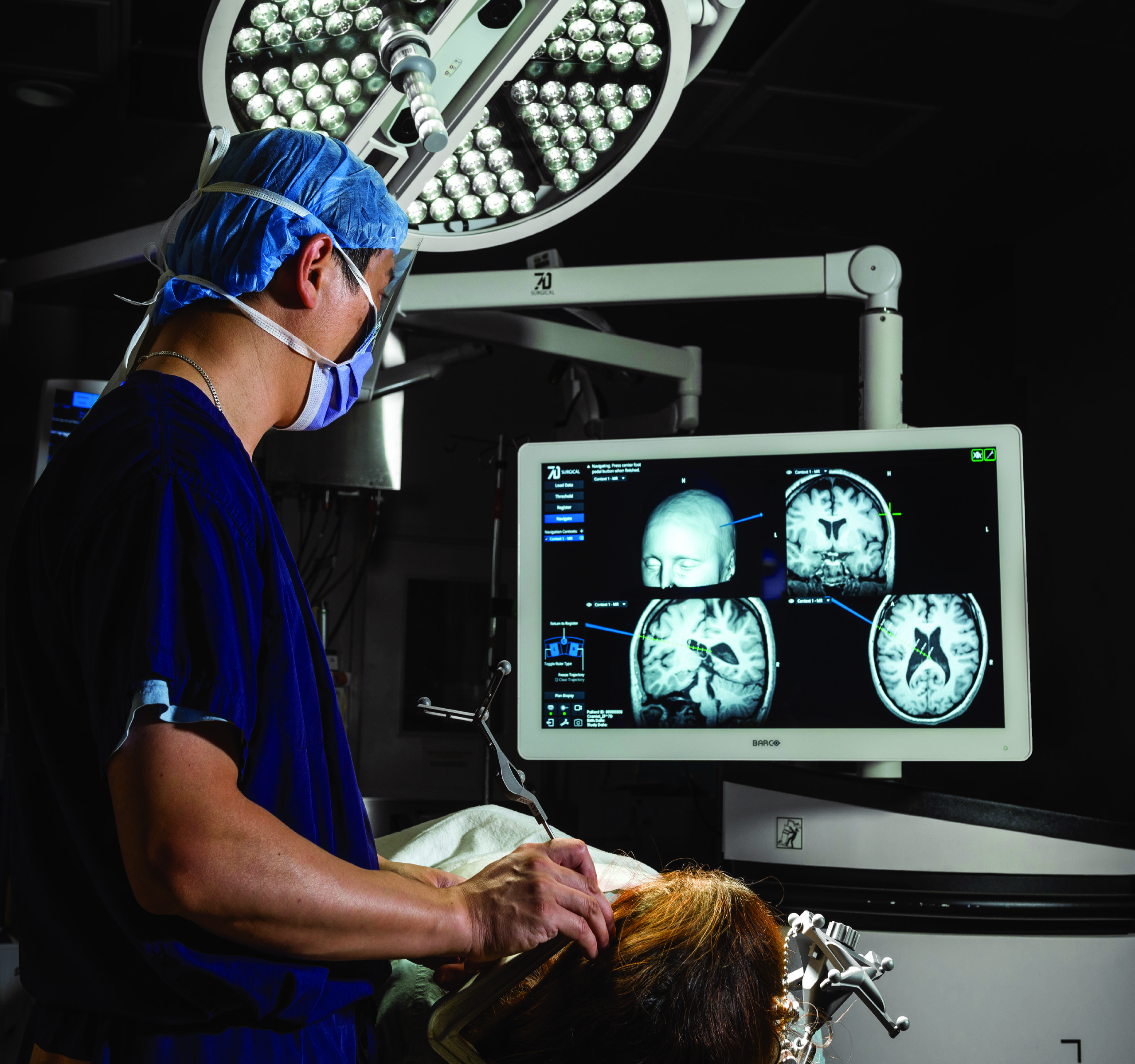
  • Image-guided cranial procedures — localization of intracranial lesions, craniotomy planning, placement of cranial fixation plates and screws (Cranial module, preoperative CT and/or MRI imaging).
  • Complex spinal deformities, including in pediatric patients — extensive surgical exposures, distinctive anatomy, and increased spinal mobility, with the option of segmental registration per level.
Key features

No radiation for registration

Registration uses exclusively visible light (machine vision) — eliminates the need for fluoroscopy or intraoperative CT for open spine procedures.

Registration in ~20 seconds

A complete registration process in about 20 seconds; FLASH™ Fix allows re-registration/recalibration in under 10 seconds, without repeating point-matching.

Three dedicated modules

Spine (open approach), MIS (minimally invasive, intraoperative CT), and Cranial (CT/MRI, preoperative) — on a single platform.

Segmental registration

The Spine module allows separate registration of each vertebral level, useful in complex deformities and in pediatric patients.

Implant neutral

Compatible with fixation systems from any manufacturer, through proprietary integration adapters — the surgeon retains freedom to choose the implant.

Technology integrated into the light head

The tracking cameras and the FLASH™ projection system are embedded in the surgical light head — eliminating separate equipment and line-of-sight issues.

Full control from the sterile field

A foot pedal and sterile handle mounted on the surgical light — the surgeon controls the entire workflow, without additional staff dedicated to navigation.

Technical specifications
Type
Machine-vision (structured visible light) surgical navigation system, for spine and cranial procedures
Software modules
Spine (open approach) · MIS (minimally invasive) · Cranial
Registration time
About 20 seconds (full registration); FLASH™ Fix (re-registration) under 10 seconds
Source imaging
Spine: preoperative CT · MIS: intraoperative CT · Cranial: preoperative CT and/or MRI
Segmental registration
Yes (Spine module, per vertebral level)
Digitized reference points
Over 250,000 (published clinical validation); up to ~1,000,000 per the manufacturer's technical materials for the Spine module
Implant compatibility
"Implant neutral" — proprietary integration adapters for third-party instrumentation
Surgeon control
Foot pedal and sterile handle, mounted on the surgical light head
Additional features
Augmented reality (overlay of safe zones and trajectories) — Spine and MIS modules; preoperative surgical planning
Manufacturer
Orthofix (formerly SeaSpine / 7D Surgical Inc., Toronto, Canada)
Clinical evidence

A selection of publications and studies that mention use of the system. Summaries are indicative; for details, consult the original source.

Comparison of novel machine vision spinal image guidance system with existing 3D fluoroscopy-based navigation system: a randomized prospective study

Malham G.M., Munday N.R. · The Spine Journal, 2022; 22(4):561–569

A prospective randomized study of 90 patients (429 pedicle screws, 210 FLASH vs. 219 comparator) comparing FLASH navigation with a 3D fluoroscopy-based navigation system, in open posterior lumbar fusion surgery.

Screw placement accuracy was comparable (98.1% FLASH vs. 97.3% 3D fluoroscopy, with no breaches >2mm in either group), with a 94.3% reduction in fluoroscopy time and a 97.8% reduction in intraoperative radiation dose (p<.001).
View source

High Speed, High Density Intraoperative 3D Optical Topographical Imaging with Efficient Registration to MRI and CT for Craniospinal Surgical Navigation

Jakubovic R., Guha D., Gupta S. și colab. · Scientific Reports, 2018; 8:14894

A prospective/retrospective clinical study of 171 craniospinal surgical procedures (476 registrations), conducted by the research team that developed the optical topographic imaging technology later commercialized as the FLASH platform — with separate analyses for cranial and spinal applications.

Mean setup time of 41 seconds (spine) and 38 seconds (cranial), significantly shorter than comparator systems (258–794 seconds, and 96 seconds respectively; p≤0.001), with no significant difference in major pedicle-screw breach rate (6.8% vs. 5.3%, p=0.99).
View source

Integration of Machine Vision Technology in the Treatment of Pediatric Spinal Deformities

Visco Z.R., Adams N.C., Johnson A.N. și colab. · Cureus, 2025; 17(6):e86790

A retrospective clinical series of 60 pediatric patients (644 vertebral levels fused, July 2022 – January 2024), evaluating the workflow of FLASH navigation in posterior spinal fusion for complex deformities.

Mean registration time of 59.36±20.38 seconds (1.53±0.83 instrumented levels per registration); 37% of patients required at least one FLASH™ Fix re-registration, performed in an average of 16.54 seconds.
View source

Visible Light Navigation in Spine Surgery: My Experience With My First 150 Cases

Stewart G. · International Journal of Spine Surgery, 2022; 16(Suppl 2):S28–S36

A retrospective clinical series of 150 consecutive cases of spinal instrumentation guided by FLASH navigation, in a single surgical practice.

No complications and no instances of symptomatic screw malposition in this series of 150 consecutive patients.
View source
Certifications & compliance
FDA 510(k) — Cranial module Health Canada MDL — Cranial module CE marking (Emergo Europe, EU authorized representative)
Images
FLASH™ Navigation System — detail of the light head with integrated machine-vision technology (tracking camera, FLASH™ projection system) (Orthofix/SeaSpine material)
The Cranial module of the FLASH™ Navigation System in intraoperative use, navigating on CT/MRI imaging (7D Surgical/Orthofix material)
A constellation of over 300,000 virtual reference points optically digitized on the cranial surface, for contactless registration (7D Surgical/Orthofix material)